October 29, 2026
Bonus Content: QatarEnergy Buys U.S. LNG. Cheniere Reports Today.
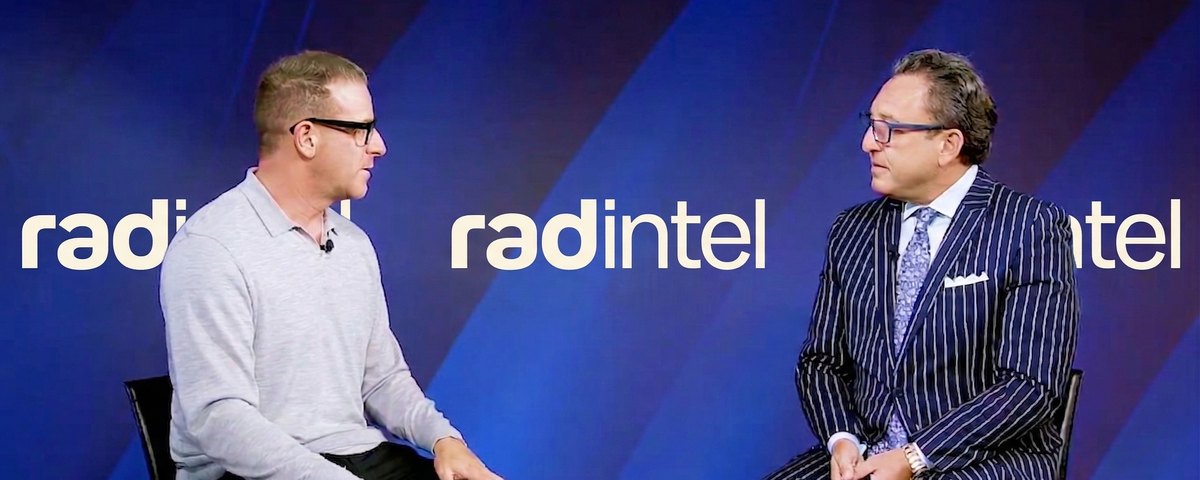
9 creators. 9 hits. Then a $250k follow-on.
A top 5 movie studio came back with $250k more.
Studios rarely spend twice on a guess. This one came back. Multiple seven-figure contracts with Fortune 1000 brands.
Across RAD Intel’s portfolio, sales contracts grew 10X from 2025 to 2026.
Current allocations remain limited.
RAD Intel’s Regulation CF round is now open to all investors.
P.S. Limited allocations remain in the current investment round. The offering page lays out the details, risks included. Learn more to invest →
Regulation CF · now open to investors
This is a paid advertisement for RAD Intel made pursuant to Regulation CF offering and involves risk, including the possible loss of principal. Past performance is not a guarantee of future results. Please read the offering statement and related risks at invest.RADIntel.ai.
QatarEnergy Buys U.S. LNG. Cheniere Reports Today.
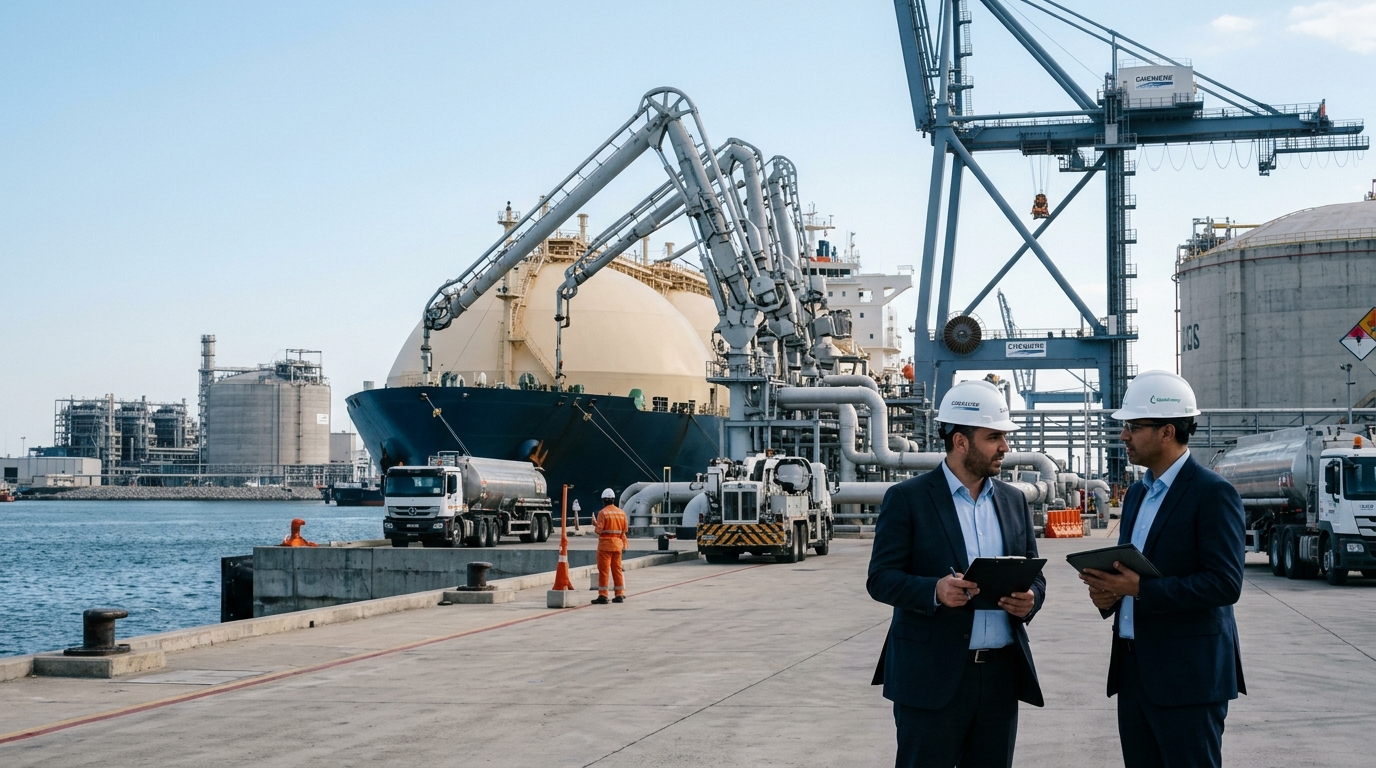
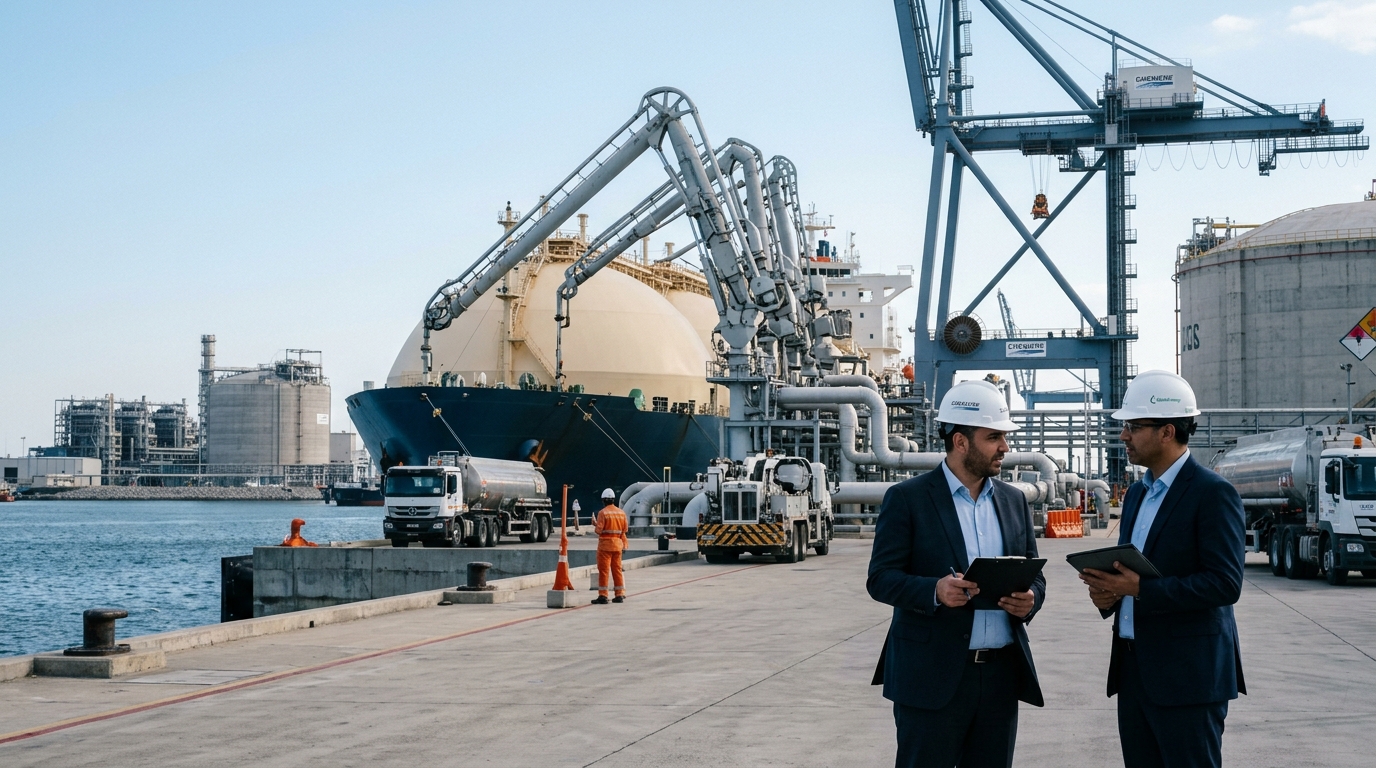
When QatarEnergy, one of the world’s biggest LNG exporters, signs new long-term agreements to buy American liquefied natural gas, something structural has changed. On October 22, 2026, QatarEnergy signed two long-term SPAs with Cheniere for up to 4 million tonnes per annum of U.S. LNG. Cheniere Energy reports Q3 results this morning, and the company is heading into the quarter as one of the clearest beneficiaries of a conflict that has reordered global energy trade.
The Business
Cheniere is the largest LNG producer and exporter in the United States, operating liquefaction facilities at Sabine Pass in Louisiana and Corpus Christi in Texas. It is not simply a “sell a cargo and walk away” business. The model is built around long-term sale and purchase agreements and the operational capability to procure gas, liquefy it, and deliver LNG to customers globally, with some volumes also sold on a shorter-term basis. That contracted foundation is difficult to displace, and Cheniere’s Gulf Coast footprint is outside the Strait of Hormuz.
Long-term supply agreements can generate predictable cash flows. In an environment where European and Asian buyers are diversifying urgently away from Middle Eastern exposure, predictability can command a premium.
Why Wall Street Is Paying Attention
The stock is up about 55% year to date, and the company earned it. Q2 revenue rose to $5.73 billion, beating the $4.92 billion consensus by more than 16%. Cheniere raised its full-year consolidated adjusted EBITDA guidance twice, now targeting $7.90 to $8.40 billion. Institutional investors own 87.26% of the company. The analyst consensus is Moderate Buy, with an average price target of $310.65.
For Q3, the consensus EPS estimate cited widely into the print is around $4.06, with revenue consensus near $5.38 billion, a 21% increase year over year.
What’s Driving the Opportunity
The geopolitical dynamic is not subtle. The Iran conflict pushed European and Asian buyers toward long-term contracts with producers outside the Gulf. Cheniere, with additional growth at both Sabine Pass and Corpus Christi moving through permitting and commercial work, is one of the few companies positioned to meet that demand at scale. The QatarEnergy agreements signal that even established LNG suppliers now want access to U.S. volumes, which shifts leverage toward U.S. exporters with contracted capacity.
Strong LNG demand from Europe and Asia is expected to have supported export volumes through Q3, and long-term customer commitments provide visibility that can make results less dependent on day-to-day spot-market swings.
ExxonMobil is navigating the same LNG demand surge from a different angle. ExxonMobil’s Golden Pass LNG project is advancing toward full commercial operations as the company positions itself to capture the same contracted-volume premium.
What Could Go Wrong
Q3 earnings per share are expected to decline year over year despite higher revenue, in part because derivative fair value adjustments and mark-to-market accounting can obscure underlying cash generation. Investors focused on GAAP EPS can misread the quarter.
A credible path toward a ceasefire in the Iran conflict would reduce the geopolitical premium baked into LNG prices and soften urgency among new contract signers. Regulatory approvals and permitting timelines for expansions are multi-year processes. The stock’s roughly 55% year-to-date gain also leaves it exposed to profit-taking if Q3 volume or margin disappoints.
The Bottom Line
Cheniere reports into one of the most favorable structural environments in the company’s history, a conflict that elevated LNG from a commodity to a strategic asset, new long-term SPAs with QatarEnergy, and a contracting pipeline supported by buyers who can no longer afford supply concentration in the Middle East. Whether this morning’s numbers extend the 2026 run depends on volume, margin, and what management says about project timing and next steps. The longer case does not require a perfect quarter to hold.