October 29, 2026
Bonus Content: ServiceNow Fell 18% Overnight. The Business Did Not.
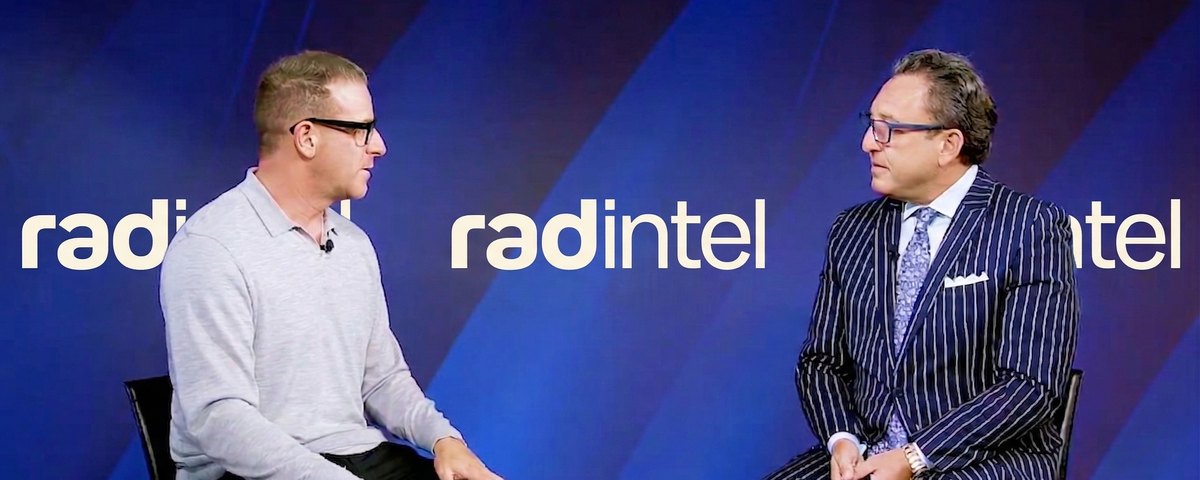
9 creators. 9 hits. Then a $250k follow-on.
A top 5 movie studio came back with $250k more.
Studios rarely spend twice on a guess. This one came back. Multiple seven-figure contracts with Fortune 1000 brands.
Across RAD Intel’s portfolio, sales contracts grew 10X from 2025 to 2026.
Current allocations remain limited.
RAD Intel’s Regulation CF round is now open to all investors.
P.S. Limited allocations remain in the current investment round. The offering page lays out the details, risks included. Learn more to invest →
Regulation CF · now open to investors
This is a paid advertisement for RAD Intel made pursuant to Regulation CF offering and involves risk, including the possible loss of principal. Past performance is not a guarantee of future results. Please read the offering statement and related risks at invest.RADIntel.ai.
ServiceNow Fell 18% Overnight. The Business Did Not.
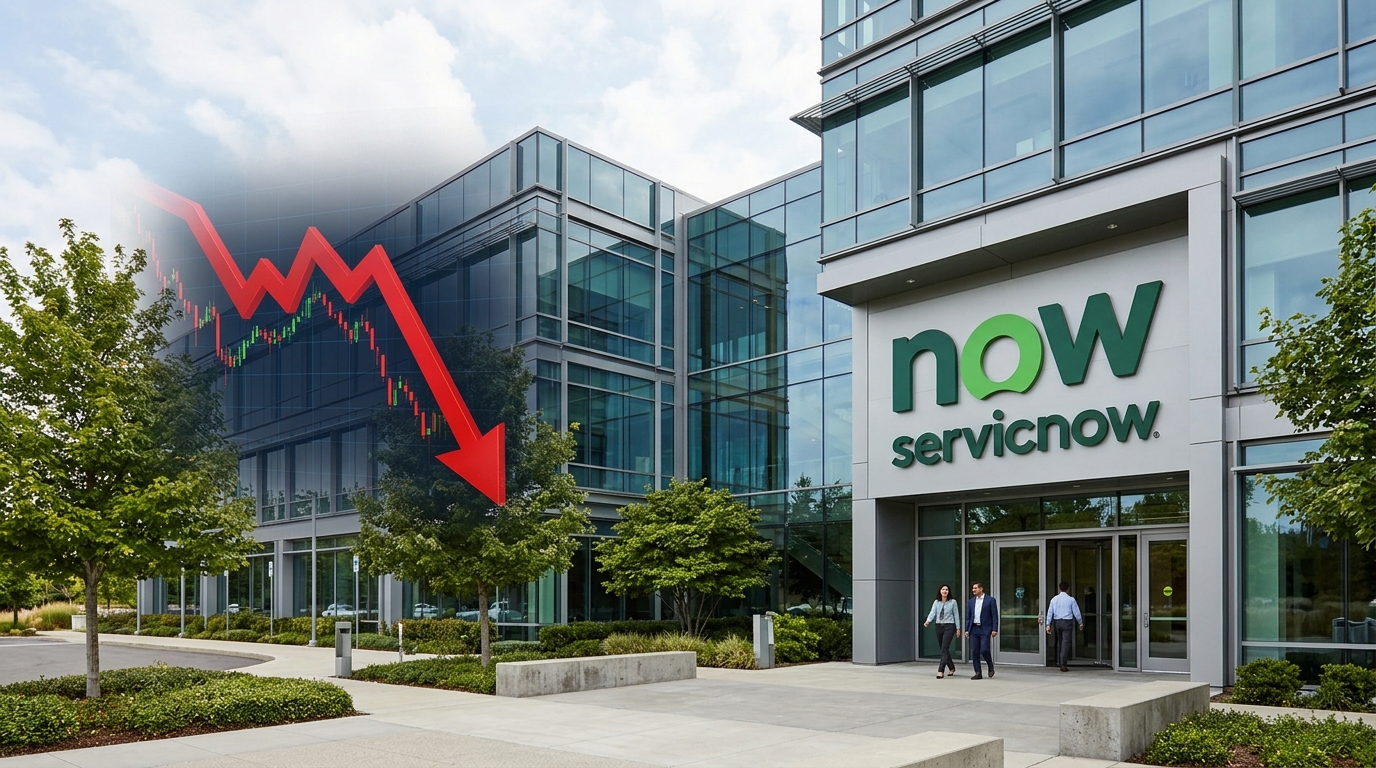
The market spent Wednesday night punishing ServiceNow for earning $1.00 per share when analysts wanted $1.02. By Thursday morning, shares had fallen roughly 18% in extended trading to around $123, from a regular-session close of $150.13.
Two cents. On $4.106 billion in revenue. That reaction deserves a second look.
The Business
ServiceNow runs the operating system for enterprise IT. Its platform manages workflows, automates processes, and governs the deployment of AI agents across large organizations. More than 80% of the Fortune 500 uses the software. That installed base is not something a competitor recreates in a product cycle.
The company reported a renewal rate of 98% in Q3 and ended the quarter with 680 customers generating more than $5 million in annual contract value, up 23% year over year. Large deals accelerated sharply: 19 transactions closed above $5 million in net new ACV, up 135% from a year earlier.
Why Wall Street Is Paying Attention
Total revenue reached $4.106 billion, up 20.5% year over year and ahead of the $4.09 billion consensus. Subscription revenue grew 21%. Current remaining performance obligations hit $13.65 billion, up 20.5%, and total RPO reached $29.7 billion, up 22%. That backlog is contracted revenue already locked in.
ServiceNow raised its AI annual contract value target to $1.7 billion for 2026, a 70% increase from the figure it set at the beginning of the year. Management also lifted full-year free cash flow margin guidance to 36% from 35%, and non-GAAP operating margin reached 32.5%, beating its own guidance by 150 basis points. Canaccord Genuity called the after-hours decline overdone and reiterated Buy, saying it creates an attractive opportunity to add exposure.
What’s Driving the Opportunity
Enterprise AI adoption is creating a governance problem. Every company deploying AI agents needs infrastructure to manage and secure those deployments. ServiceNow’s platform is built for exactly that. Management said the number of customers with agentic AI in production increased ninefold over the last nine months. That kind of acceleration does not land cleanly in a single quarter’s EPS line.
Federal spending is a second tailwind. U.S. government customers are expanding platform use, and enterprise deal sizes are growing as customers consolidate vendors onto fewer platforms. Nineteen of the company’s top 20 deals in Q3 included six or more products, which deepens switching costs and makes contract expansion more likely.
What Could Go Wrong
The stock had run hard into earnings, and a valuation priced for perfection leaves no margin for even a mechanical shortfall. Subscription growth decelerated from 24.5% in Q2 to 21% in Q3. Still strong, but the direction matters to investors who own the stock on a growth premium. Rising interest rates compress tolerance for high-multiple software across the board, and macro uncertainty is extending enterprise sales cycles.
The pattern of punishing strong quarters on minor misses is not unique to ServiceNow. A market priced for perfection can sell off a record quarter when capital expenditure guidance overshoots what investors had modeled, even when the underlying demand signal is intact.
The Bottom Line
The overnight reaction looks like overreach. The underlying business, 21% subscription growth, a 98% renewal rate, $29.7 billion in remaining performance obligations, and an AI revenue target raised 70% inside one year, does not describe a company that warranted an 18% price cut over two cents. Investors willing to sit through Q4 guidance noise may find that gap between last night’s price and what this platform is actually worth closes faster than the market’s current mood suggests.