Dear Reader,
They declared a ceasefire!
Until they didn’t.
Then Trump said we were about to sign a deal.
Until we started shooting at each other again.
According to one source, Trump has said an Iran deal is “close” 38 times since the war began.
In the time between writing this message and you reading it, who knows whether we’ll be hearing about an imminent deal… or more bombing.
And it doesn’t matter.
This is all a distraction.
Here’s the REAL reason why Trump may NEVER end this war.
To your future,
Addison Wiggin
Founder, Grey Swan Investment Fraternity
Pfizer Pays Zero on September 29. Rivals Pay 100%.
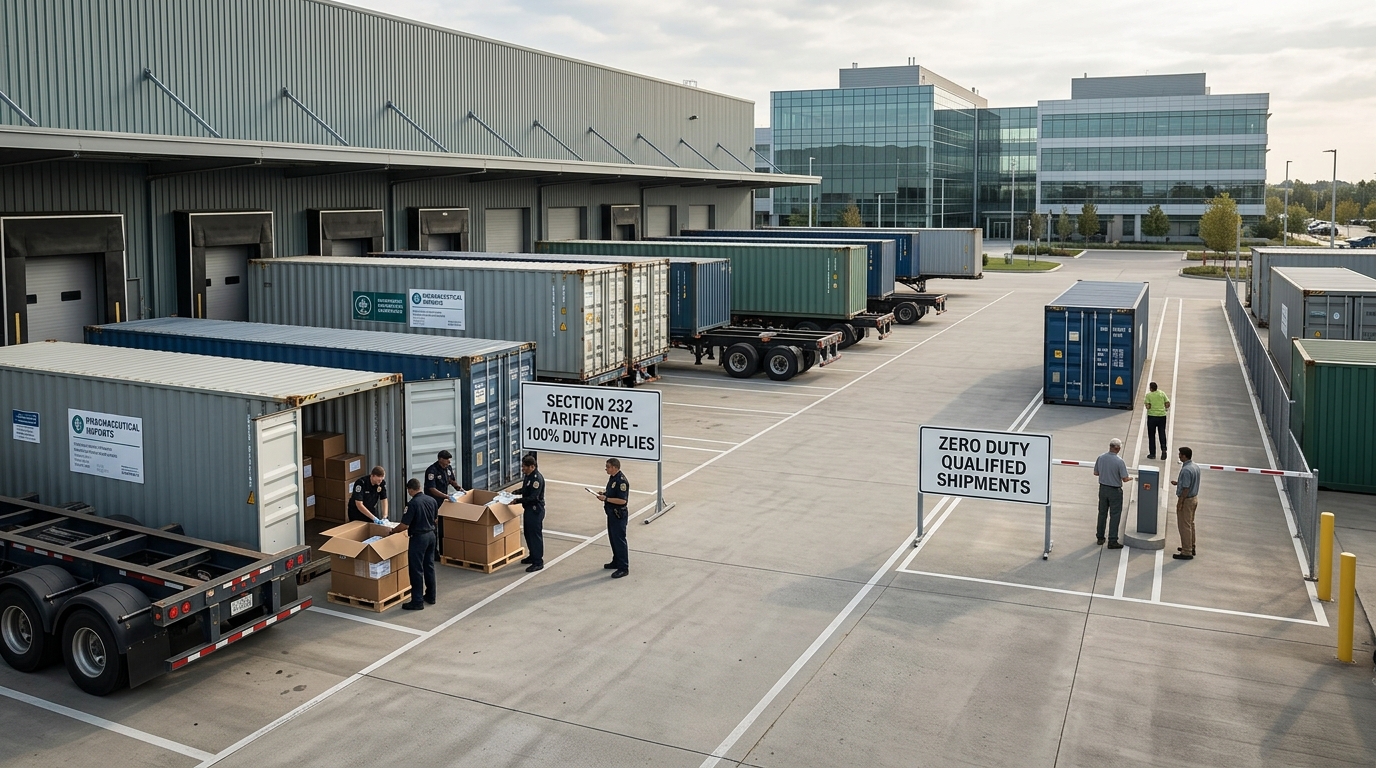
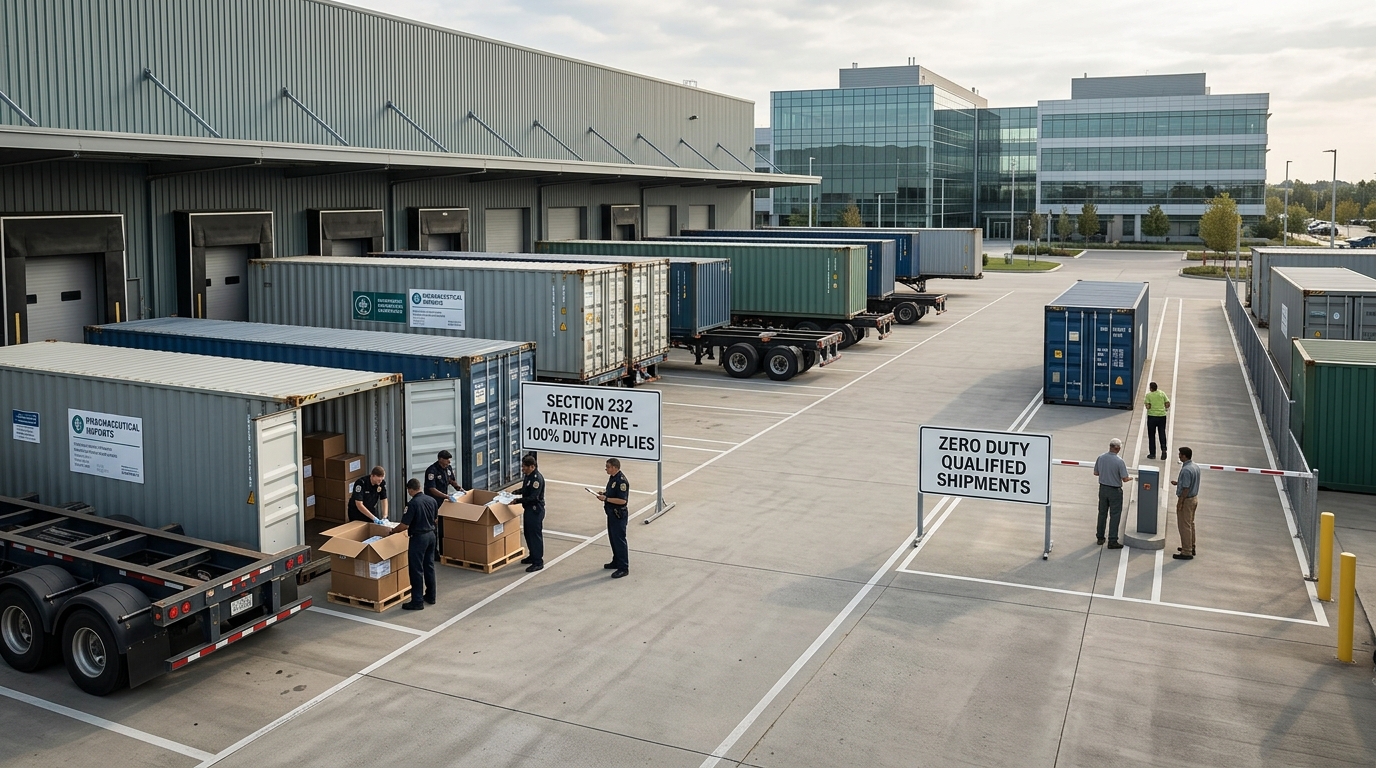
Eight days from now, the most consequential cost divide in the pharmaceutical industry since the Medicare Part D era clicks into place. Section 232 tariffs of 100% on patented pharmaceuticals and their active ingredients begin applying broadly on September 29, 2026. Companies with signed MFN pricing and onshoring agreements can qualify for a zero additional duty rate today, subject to the terms of the proclamation and their compliance. Pfizer moved first.
Why This Stock Now
On September 30, 2025, Pfizer signed the first MFN pricing agreement with the White House. In exchange for matching the lowest prices it charges other developed nations through the MFN framework and committing $70 billion to U.S. manufacturing and R&D, Pfizer secured a three-year grace period tied to the Section 232 investigation and tariffs, provided it meets the agreement’s conditions. That advantage is not theoretical. It is reflected in the April 2, 2026 proclamation’s structure for companies that have both an approved Commerce onshoring plan and a signed HHS MFN pricing agreement.
The tariff structure has three tiers as investors are talking about it: 100% for companies without qualifying agreements, a reduced rate for companies with only an onshoring plan, and 0% for companies with both. Pfizer holds both. Competitors scrambling to close agreements this week are not Pfizer’s direct threat, they are the market’s reminder of what early positioning is worth.
The Business
Pfizer generates revenue across oncology, migraine, vaccines, inflammation, and rare disease. Its Q2 2026 results beat on both revenue and adjusted EPS, driven by launched and acquired products in oncology. Management raised full-year 2026 revenue guidance by $500 million at the midpoint. HSBC lifted its price target to $30 from $28 in early September. CEO Albert Bourla told investors at a recent conference that the company has largely worked through the tariff and MFN pricing headwinds that weighed on 2025, pointing in part to the government agreements that reduced uncertainty around its policy exposure.
Over the twelve months through September 4, 2026, PFE returned 23.9%, modestly ahead of the S&P 500’s 20.0% on a total-return basis.
Why Wall Street Is Paying Attention
Last Friday, President Trump announced that all 50 states, Washington D.C., and Puerto Rico will participate in his MFN Medicaid pricing program. That expansion, operating through the GENEROUS Medicaid Payment Model, commits participating manufacturers to offer MFN-based pricing for certain drugs in exchange for standardized coverage criteria across participating states. The White House Council of Economic Advisers has estimated the Medicaid portion of its MFN approach could save $64.3 billion over the next decade.
The significance for Pfizer: this is the same pricing framework its deal was built around a year ago. Pfizer is not adjusting to the new reality. It already built its commercial model around it. Every competitor still negotiating is behind.
What’s Driving the Opportunity
The market has rewarded Pfizer for the MFN deal but has not yet fully priced the competitive separation that materializes on September 29. In the Section 232 action, the Administration cited FDA data that, as of 2025, approximately 53% of patented pharmaceutical products distributed domestically are produced outside the country. Companies without qualifying agreements face a steep duty rate on covered imports starting at 12:01 a.m. Eastern next Monday. Their cost structures can change immediately. Pfizer’s does not, if it remains in compliance with its agreements.
That gap compounds. Any competitor paying 100% importing from India, China, or other non-preferential countries faces a structural cost penalty on every covered shipment. For companies with thin operating margins or heavy reliance on imported APIs, the hit is not a line item, it is a business model problem. Pfizer, by contrast, enters 2027 with cost certainty, a reduced tariff exposure, and a pipeline of oncology, obesity, and alopecia candidates generating institutional interest in their own right.
What Could Go Wrong
The bear case on PFE is not the tariff structure. It is the patent cliff. Products facing loss of exclusivity between 2026 and 2030 represent a meaningful share of at-risk revenue, with Eliquis a central part of the discussion. COVID-19 product revenues continue declining from their pandemic peak. The MFN pricing concessions Pfizer made to secure its tariff deal reduce the price it can charge on covered drugs through government channels, and those concessions persist whether or not the September 29 pressure moves sentiment.
There is also execution risk on the $70 billion manufacturing commitment. Building new domestic capacity takes four to seven years. If Pfizer falls short of its onshoring milestones, Commerce retains authority under the Section 232 framework to reimpose tariffs prospectively, and the proclamation contemplates enforcement actions that can include retroactive penalties in cases involving fraud or deliberate misrepresentation. The zero rate is contingent, not permanent.
The Bottom Line
Pfizer is not a perfect stock. The patent cliff is real, and the pipeline has to deliver. But on September 29 specifically, PFE sits on the advantaged side of a large cost gap that the market has underweighted because the deadline has felt abstract until this week. With all 50 states now locked into MFN Medicaid pricing through GENEROUS, the framework Pfizer built its deal around has maximum reach. Its competitors are about to feel the cost of moving slower. That is a catalyst with a hard date, and eight days is not a lot of time for the market to close the gap.