Brent crude fell on Friday. It also closed above $100 for the first time in a weekly settlement since mid-May. Both things are true, and the tension between them captures exactly why this market is so easy to misread right now.
The International Energy Agency published its September Oil Market Report on Friday and delivered its bleakest demand forecast of the conflict: world oil demand is forecast to decline by 2.5 million barrels per day in 2026, a revision 940,000 bpd steeper than its August estimate. The agency attributed the downgrade to the continuing impasse in negotiations between the United States and Iran, which it said delays the prospect of a normalisation of flows into next year. Losses are concentrated in middle distillates and petrochemical feedstocks, particularly across Asia.
The same afternoon, Iranian state media reported that Gulf Cooperation Council foreign ministers, representing Saudi Arabia, the UAE, Qatar, Kuwait, Bahrain, and Oman, will meet their Iranian counterpart in Oman on Monday. It is the first concrete multilateral diplomatic contact since the war began. Brent, which had reached $108.92 at the open, fell sharply on the news, settling around $104 before the close. The week still ended with Brent up more than 11%.
Traders focused on the diplomatic headline. The more important number from Friday was 507.
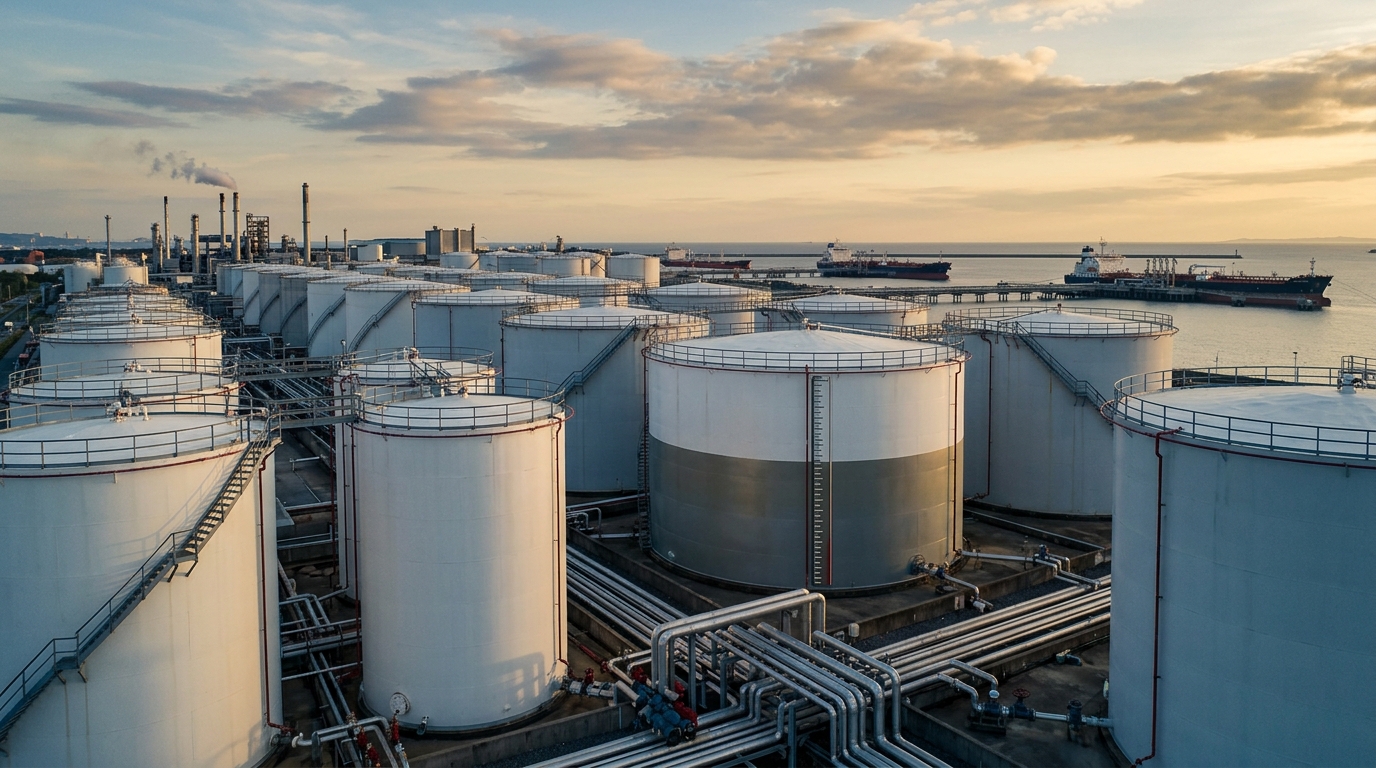
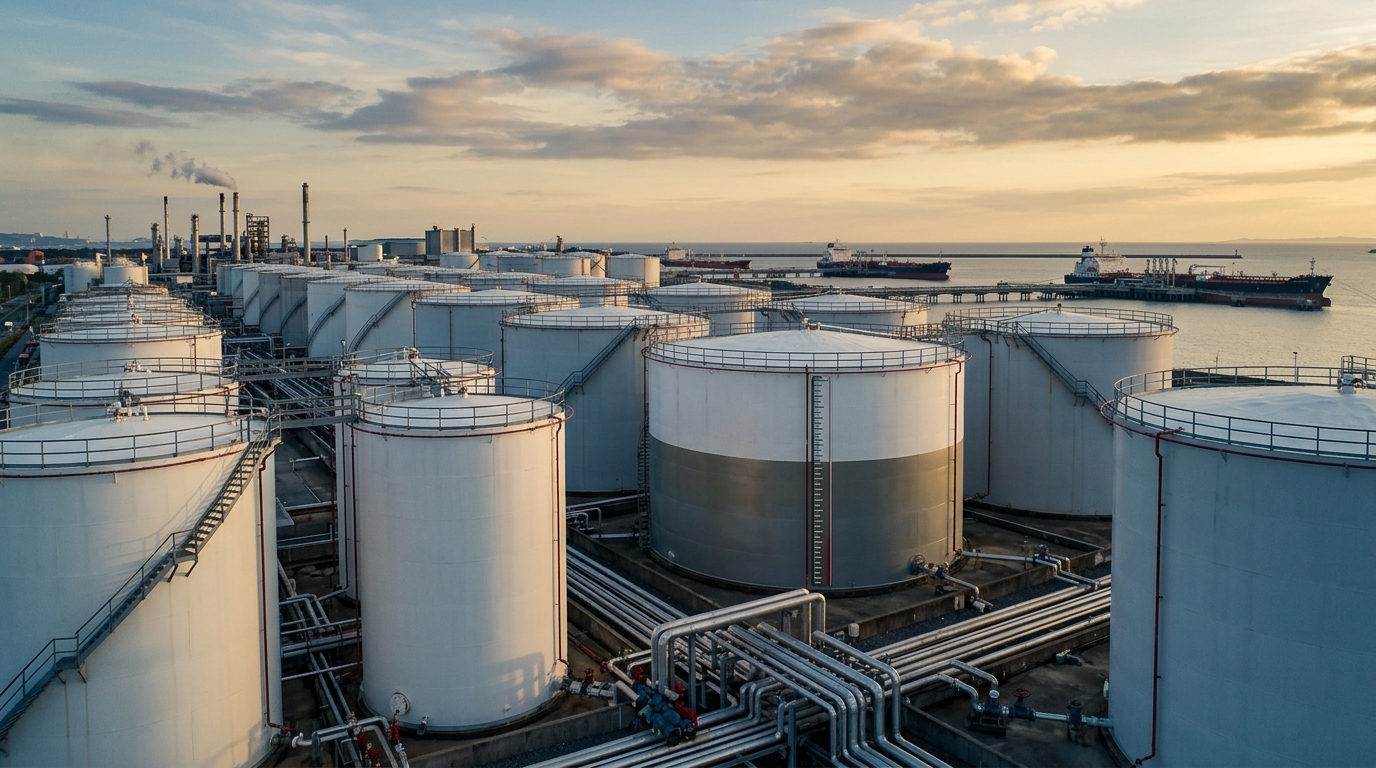
That is the cumulative millions of barrels drained from global observed inventories since the start of the war. August alone consumed 95 million barrels, or 3.1 mb/d. The IEA now puts total observed stockpiles at their lowest level since 2023. The EIA’s September Short-Term Energy Outlook estimated that global oil inventories have fallen by 400 million barrels so far this year, and forecast U.S. distillate fuel oil inventories would drop below 100 million barrels in September, remaining below the five-year (2021-2025) low through much of 2027.
Here is the structural problem a softening demand forecast does not solve: inventory depletion is not a reversible switch. When global supply fell by 5.7 mb/d and the buffer cushion was intact, the market could absorb the shock. With 507 million barrels already gone, any further disruption hits a system with almost no slack. The IEA warned that with buffers shrinking and the global refining system stretched to the limit, the need for progress in resolving the conflict is greater than ever to avoid further market tightening and demand destruction. That is the physical market telling you the same thing the inventory figure does.
Demand destruction, paradoxically, has become the market’s primary stabilizer. The IEA’s 2.5 mb/d contraction is not a bearish signal in the conventional sense. It is evidence that $100-plus crude and record diesel prices are rationing consumption faster than diplomacy can restore supply. The pace of decline is expected to ease from 5.3 mb/d in the second quarter to 2.0 mb/d in the fourth, suggesting the demand side adjusts rather than collapses. But that adjustment has already cost the global economy considerably.
The Oman meeting on Monday is worth watching for one specific reason: it is the first time Gulf states have engaged Iran collectively since hostilities began. Even a framework for managing commercial traffic through Hormuz would not immediately refill inventories, but it would change the trajectory of the draw rate. Goldman Sachs, which had already raised its Brent forecast to an average of $90 per barrel for the fourth quarter of 2026, warned that Gulf output remaining 4 mb/d below prewar levels into 2027 could push the benchmark above $120.
For investors, the inventory number clarifies which companies hold the most durable position. ExxonMobil generated $17.2 billion in free cash flow in the second quarter, with its refining system delivering record diesel production. Chevron’s adjusted downstream earnings were $4.9 billion in the same period, roughly five times higher than a year earlier. Pure-play refiners Marathon Petroleum and Valero reported second-quarter 2026 net income of $5.1 billion and $3.7 billion, respectively, or roughly $8.8 billion combined. The IEA confirmed Atlantic Basin refining margins hit record levels in August, and with U.S. distillate stocks headed to multi-year lows, the structural argument for downstream margins remains intact regardless of what the Oman talks produce.
A peace signal compresses the geopolitical premium in crude. It does not replace 507 million barrels. Watch Monday’s meeting for a framework, not a resolution. The inventory clock does not pause for diplomacy.