October 15, 2026
Bonus Content: ExxonMobil Is the Infrastructure AI Enzymes Need
A 400-ounce gold bar and $8,268 in cash…
Back in the 1920s, both could have bought you a beautiful home.
Fast forward to today?
One could potentially buy you two or three homes in some of the best cities in America.
The other? It might not even get you an old Winnebago.
What happened? And what does it mean for your savings?
This short video lays it all out.

>>> Watch it here before it’s gone.
P.S. If history is any indicator, keeping cash in savings could come at a cost. See what this means for you here.
ExxonMobil Is the Infrastructure AI Enzymes Need
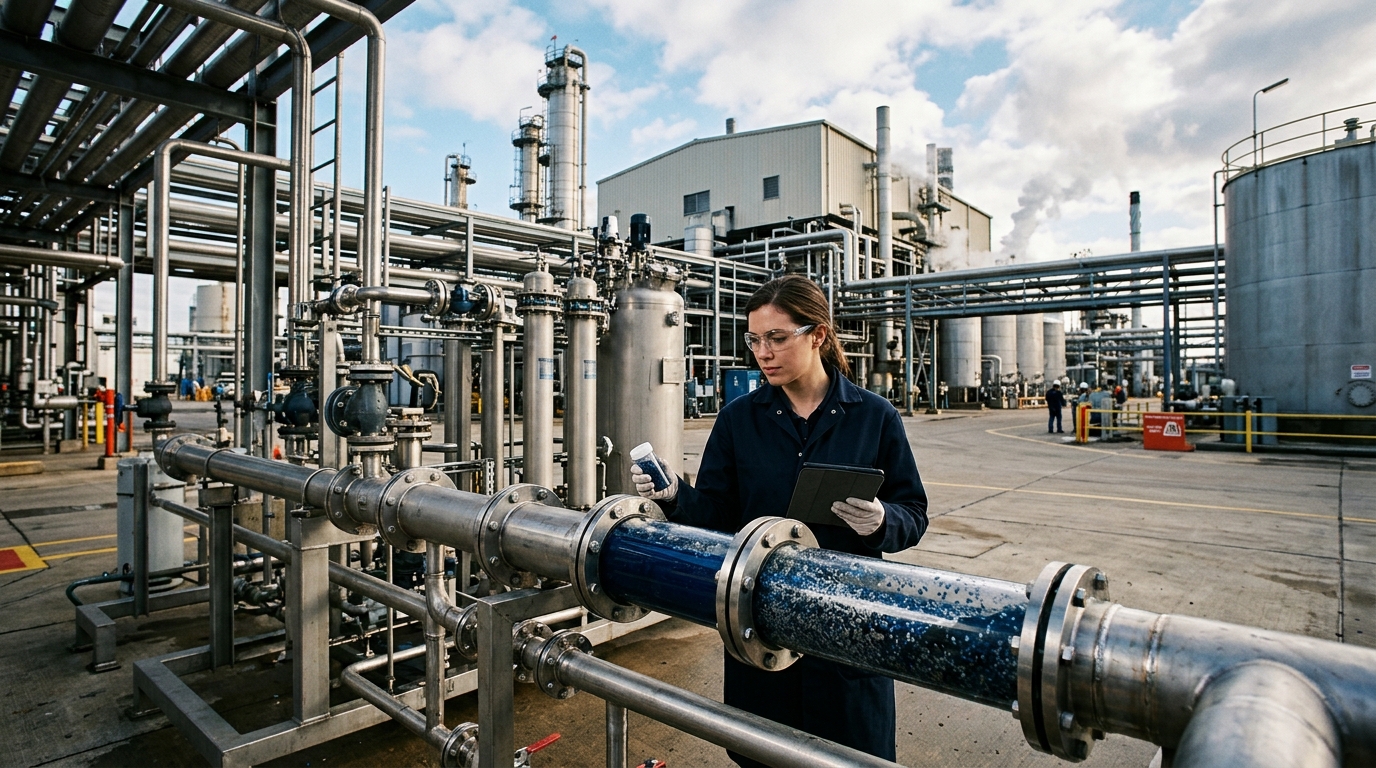
Researchers published a new review in Nature Reviews Earth & Environment earlier this month describing how machine learning can be paired with automated biochemical analysis to identify enzymes that could help remediate environmental pollution. The science is accelerating fast. The commercialization problem, which almost nobody is talking about, is that lab-scale enzyme performance means nothing without industrial-scale processing infrastructure to back it.
That infrastructure already exists. It belongs to ExxonMobil.
XOM closed Thursday at $174.68, pulling back after touching a 52-week high of $178.69 earlier this week. The stock is up roughly 58% from its 52-week low of $110.39, and the recent retreat is modest. What the price does not yet reflect is the degree to which ExxonMobil’s existing recycling buildout positions it to absorb enzymatic processing as a cost-reduction layer rather than a separate capital project.
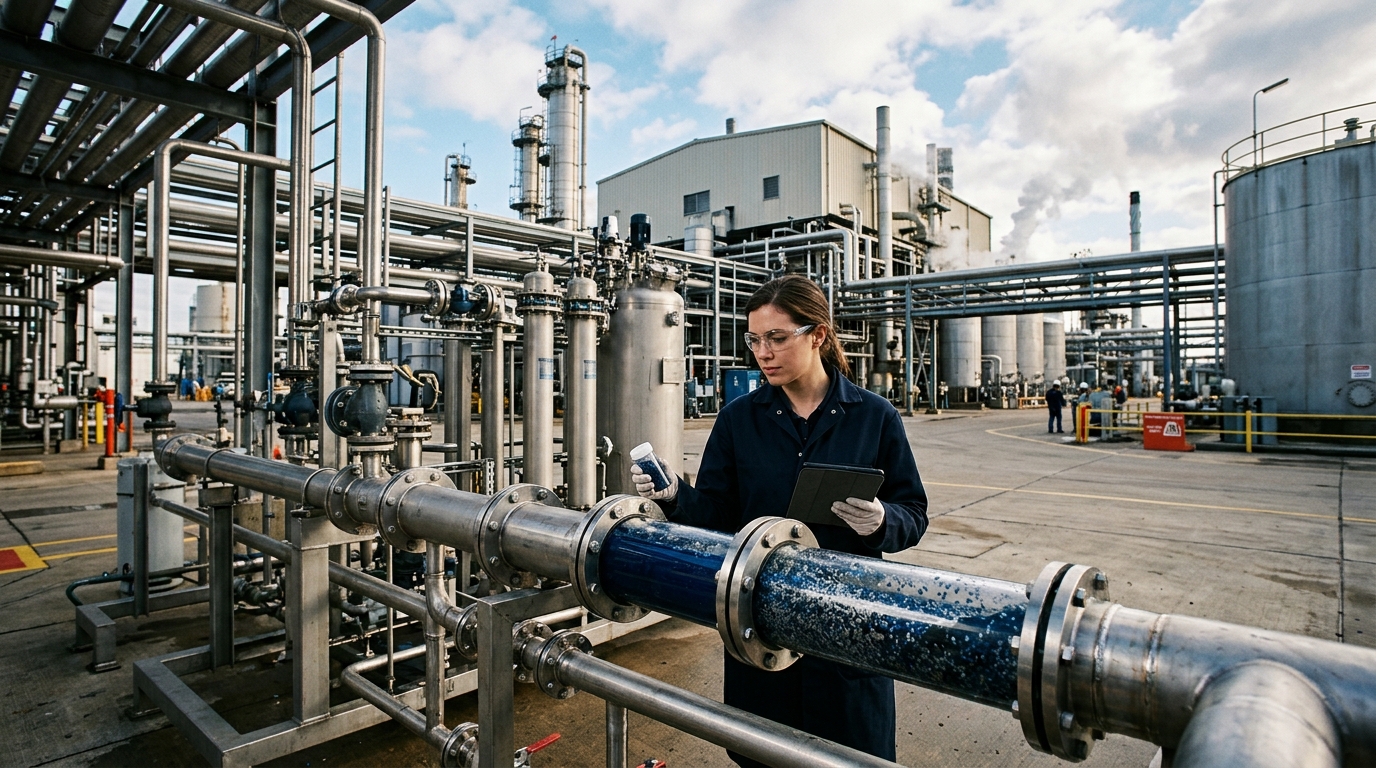
Here is the specific asset base that matters. ExxonMobil’s third advanced recycling unit at Baytown is now operational, pushing annual processing capacity to approximately 250 million pounds of plastic waste. The company says it is on track to reach approximately 450 million pounds of annual advanced recycling capacity at its global facilities by year-end 2026, using its proprietary Exxtend technology to convert mixed, contaminated, and hard-to-recycle plastics back into virgin-quality feedstocks. The longer-term target is 1 billion pounds per year by 2027, with projects under development in North America, Europe, and Asia.
Enzymatic degradation enters this picture as a preprocessing advantage, not a replacement. Biological catalysts operating at low temperatures can selectively break complex polymer chains before material reaches thermal processing units. A 2025 analysis in Nature Chemical Engineering modeled process changes that lowered annual operating expenses by 74% and cut energy use by 65%, and estimated an enzyme-recycled PET cost of $1.51 per kilogram versus a U.S. domestic virgin PET benchmark of $1.87. That is a modeled result, not a market-clearing price, but it points to a real direction of travel: enzymatic recycling can compete with virgin on cost.
Startups like Epoch Biodesign and Rhea’s Factory are developing the enzyme libraries. Murdoch University’s Bioplastics Innovation Hub is building AI pipelines to screen large numbers of enzyme candidates. None of them have the processing scale ExxonMobil already operates. That asymmetry is the point.
The risks are real. Enzyme stability at industrial temperatures and pH ranges remains a challenge for polyolefins, which are structurally harder to depolymerize than PET. Polyethylene and polypropylene degrade more slowly under enzymatic conditions, and ExxonMobil’s existing Exxtend units handle those feedstocks through thermal cracking, not biology. A hybrid biochemical layer would require capital and partnership arrangements that are not yet public.
Wall Street has focused on XOM’s cash generation from Guyana and on downstream and refining dynamics, but the Street’s overall rating is not uniformly “Buy” across all firms. The biochemical angle is not yet in that consensus. If AI-enzyme economics continue to compress, the company that owns the recycling infrastructure becomes the natural acquirer, licensor, or partner for the best biological IP in this space. XOM is already halfway there.
The cash engine funding any future biochemical partnership is worth understanding on its own terms. ExxonMobil’s record free cash flow and Guyana ramp give it the balance-sheet capacity to acquire or license biological IP without straining capital allocation.