
September 23, 2026
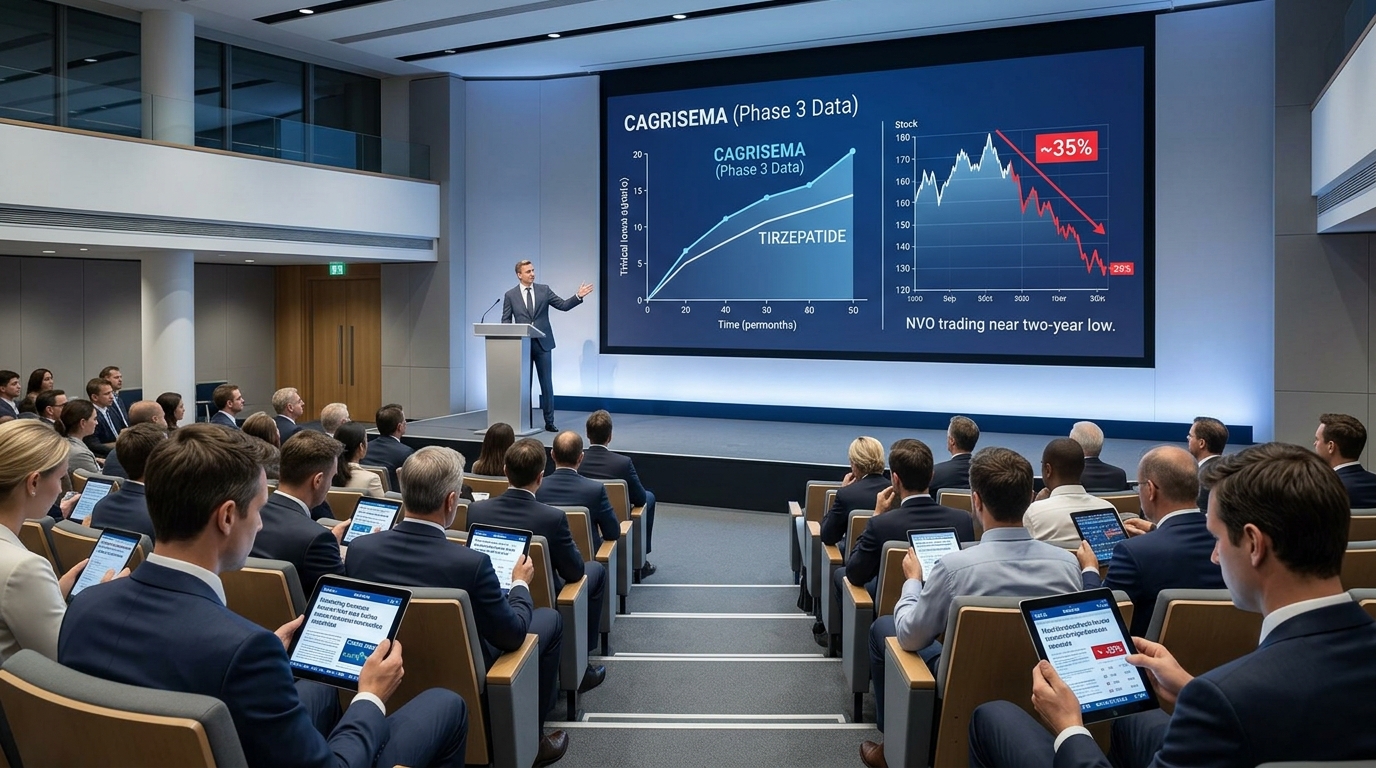
Bonus Content: Novo Nordisk Beat Eli Lilly’s Drug in a Trial. The Stock Is Still Down 35%.
Hey,
I’m going to do something that may seem a little out of the “norm” these days…
I’m going to give you my #1 trade setup. For free.
It’s the same one I used to find winners like:
- 113% on GOOGL in under 2 hours.
- 240% on META in a single session.
I call it the “Opening Bell Breakout.”
It’s one simple setup I look for every morning. When it shows up…
I simply take the trade. And by 10 AM, I’m done.
I’ve put all the details on how it works in a simple, no-fluff guide.
No credit card required. No strings attached.
>> Get Your FREE “Opening Bell Breakouts” Trade Guide Here
This guide shows you the exact 15-minute window I trade, and how to spot the same setups the big funds are watching.
It’s yours for free.
Thomas Wood
P.S. This isn’t a 100-page novel. It’s a short, actionable guide you can read in about 10 minutes and put into action by tomorrow morning. Get it here.
Novo Nordisk Beat Eli Lilly’s Drug in a Trial. The Stock Is Still Down 35%.
Novo Nordisk held its Capital Markets Day in London on Monday, September 21, 2026, and the stock fell about 7.7% in Copenhagen, its worst session since February. Investors wanted near-term revenue specifics and got a decade-long pipeline roadmap instead. The selloff may be creating the entry point the company’s drug data does not yet reflect.
Why This Stock Now
The same event that disappointed investors on strategy delivered a genuinely strong clinical result. In the REIMAGINE 5 phase 3 trial, CagriSema at a 1.0 mg/1.0 mg dose was superior to Eli Lilly’s tirzepatide 5 mg for weight loss, achieving an estimated average weight loss of 12.4% compared with 9.1% for tirzepatide, while also confirming non-inferior HbA1c reduction. Outperforming tirzepatide, the active ingredient in Lilly’s Mounjaro and Zepbound, at a lower dose is not a minor footnote.
Understanding why that result matters requires a clear picture of just how dominant tirzepatide has become in the obesity market. Mounjaro and Zepbound have posted extraordinary revenue growth, and Lilly has since added an oral GLP-1 option to its lineup — context that shapes how investors should read any head-to-head data against those drugs. A closer look at how Eli Lilly’s GLP-1 franchise has expanded well beyond what Wall Street originally modeled helps explain why beating tirzepatide, even at a lower dose, carries real commercial weight.
The Business
Novo Nordisk built the modern GLP-1 market. Ozempic and Wegovy became two of the most commercially successful drug launches of the past decade, and the company has continued to grow obesity care sales in 2026. The problem is that semaglutide, the active ingredient in both, faces patent expiry later this decade. The entire investment debate now centers on whether the next generation of drugs, CagriSema and oral semaglutide, can bridge that gap.
Novo filed a New Drug Application with the FDA on December 18, 2025 for CagriSema for weight management. The company has said a U.S. decision is expected in Q4 2026. That decision is the single most important event on the Novo calendar for the next several months. Approval would give the company a next-generation obesity treatment with head-to-head superiority data against Lilly’s best available compound at comparable doses.
Novo is not the only name in the obesity space where a late-stage readout is arriving faster than the stock price implies. Viking Therapeutics is in a similar position, with two fully enrolled Phase 3 trials and a data readout on the near-term horizon that analysts have been slow to fully incorporate into their models. Investors tracking the GLP-1 competitive landscape may find it useful to review why Viking’s Phase 3 obesity trial catalyst may be underpriced by the market alongside the Novo setup.
Why Wall Street Is Paying Attention
Novo’s stock closed about 7.7% lower in Copenhagen on September 21, as its Capital Markets Day strategy disappointed. The STOXX 600 rose about 0.9% in the same session, leaving the stock about 8.6 percentage points behind the regional benchmark. That kind of spread on a company with real revenue and a real FDA catalyst is what creates contrarian setups. The ADR now trades near $39, against a 52-week high of $64.16. The market is pricing the patent cliff and the competitive threat from Lilly heavily, and discounting the pipeline progress almost entirely.
The company said it is targeting more than $23 billion in pipeline sales by 2035 and has plans to launch more than five potential multi-blockbusters by 2030. Those targets are long-dated, which is why investors sold. But the clinical data released Monday suggests at least one of those drugs is working.
What’s Driving the Opportunity
Novo Nordisk also announced on September 18 that it is acquiring three new obesity research and development programs from Kallyope, broadening its cardiometabolic pipeline beyond existing GLP-1 therapies. Combined with Monday’s trial results and the Q4 FDA decision on CagriSema, Novo heads into the end of 2026 with more near-term catalysts than the stock price reflects. The company is executing a share repurchase programme of up to DKK 15 billion over the 12-month period beginning February 4, 2026, signaling ongoing capital returns even through the pipeline rebuilding period.
Sub–$1 Copper-Gold Explorer Has Major-Company-Funded Drilling
Copper is at record highs. Gold just blasted to $5K. Yet one little-known Australia-focused copper-gold explorer still trades below $1 as it advances multiple projects across two premier mineral belts. Most importantly, drills are turning – with one of the world’s largest gold producers funding the work. Add a deep treasury, tight share structure, pending drill results, and potential new deals, and this under-the-radar small-cap has all the right ingredients for a major breakout.
What Could Go Wrong
For Novo, the path forward hinges on whether CagriSema and the broader pipeline can offset what appears to be an inevitable decline in semaglutide revenue. Management has set the ambition of emerging from the patent cliff as a more diversified company, but Monday’s market reaction suggests investors remain unconvinced that the roadmap is specific enough to warrant patience. Lilly’s tirzepatide and its next-generation candidates represent a serious competitive threat that will not disappear regardless of any single trial result. Pricing pressure from MFN drug policies adds a U.S. revenue risk that the market is still calibrating.
The Bottom Line
The selloff after Capital Markets Day was a reaction to process, not to science. The science released the same day showed CagriSema beating Lilly’s drug in a late-stage trial. An FDA decision is expected in Q4 2026, but the FDA action date has not been publicly disclosed, so the exact number of days is not known. The stock is near a two-year low, with a buyback running and a pipeline that just produced a head-to-head win against the market’s favorite GLP-1 competitor. That combination is worth watching closely.