September 16, 2026
Bonus Content: Oracle Is Down 44% This Year. Its Cloud Numbers Say That’s Wrong.
There might be no clear end in sight to the Iran war…
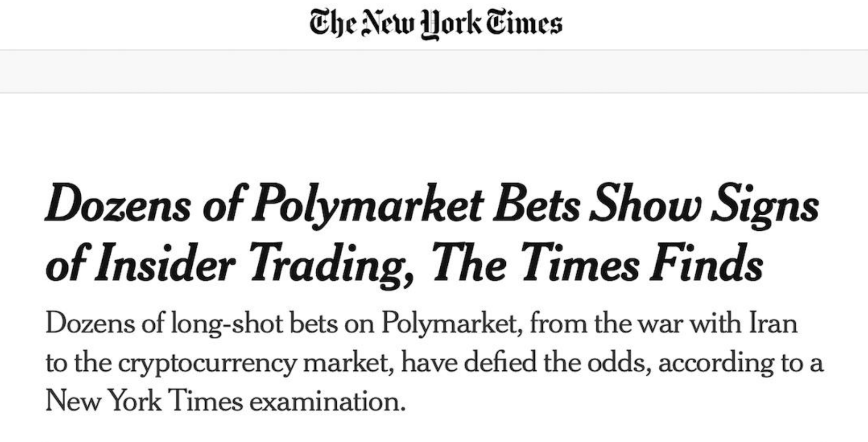
But this escalation is likely distracting you from a stunning pattern quietly heating up in the predictions market…
Corporate and Political insiders, folks with firsthand info on potential announcements, deals, policy changes coming up and more…
Have been making sneaky yet massive bets on platforms like Polymarket…
And quietly front-running the market in the process.
That’s why you’d have noticed news about this pattern flying around…
Out of the blue on May 19th this year…
I tracked a large bearish bet on Bitcoin from an account with over $10 million in volume…
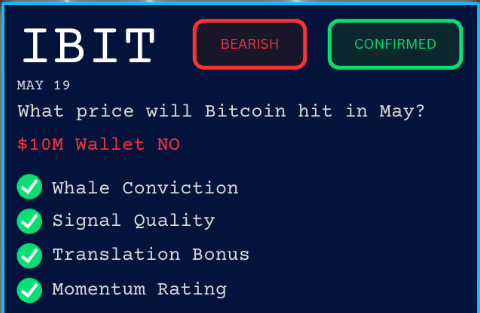
Days later… News came out that the SEC was delaying plans to further crypto innovations, obvious bad news for Bitcoin.
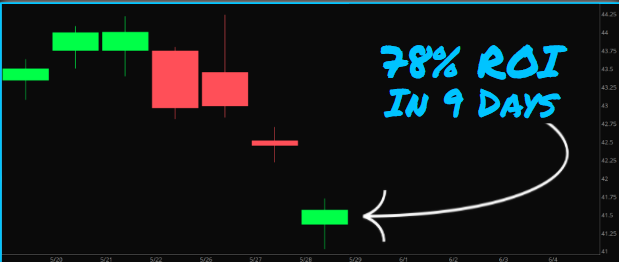
Acting on the bearish bet before the news came out with a quick trade locked in 78% in 9 days.
It doesn’t end there…
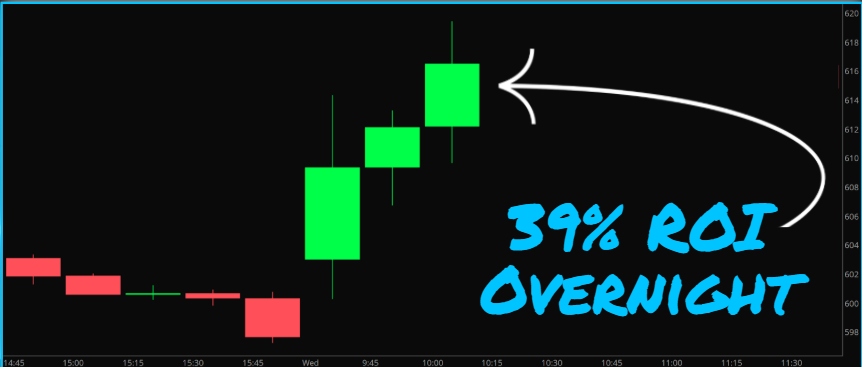
These massive insider bets also tipped off a 39% winner on META overnight.
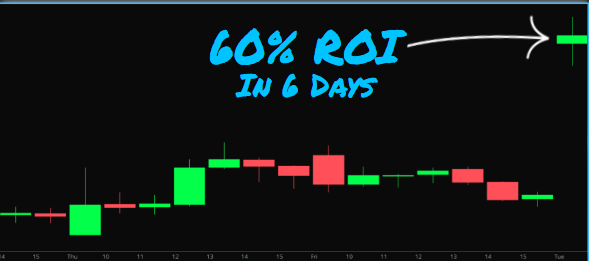
And even 60% on TSM in 6 days.
There were smaller wins and those that didn’t work and I won’t make reckless guarantees about the stock market…
But in the next few minutes…
I’ll show you the special secret I use to track these insider bets…
Better yet…
You’ll get FREE access to use this secret for yourself too… with no catch.
All you have to do is tap this link to get instant FREE access and start tracking these insider bets yourself.
To Better Trading,
Alex Reid.
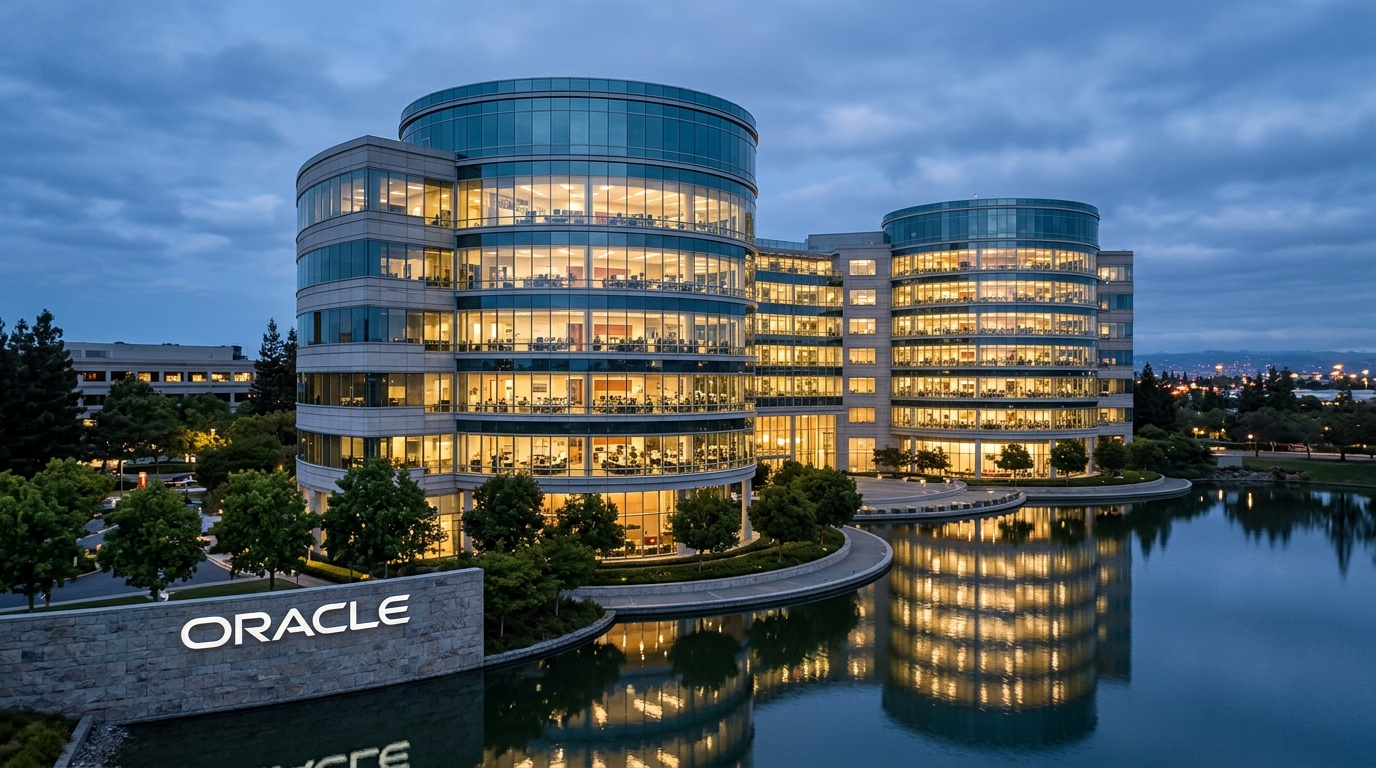
Oracle Is Down 44% This Year. Its Cloud Numbers Say That’s Wrong.
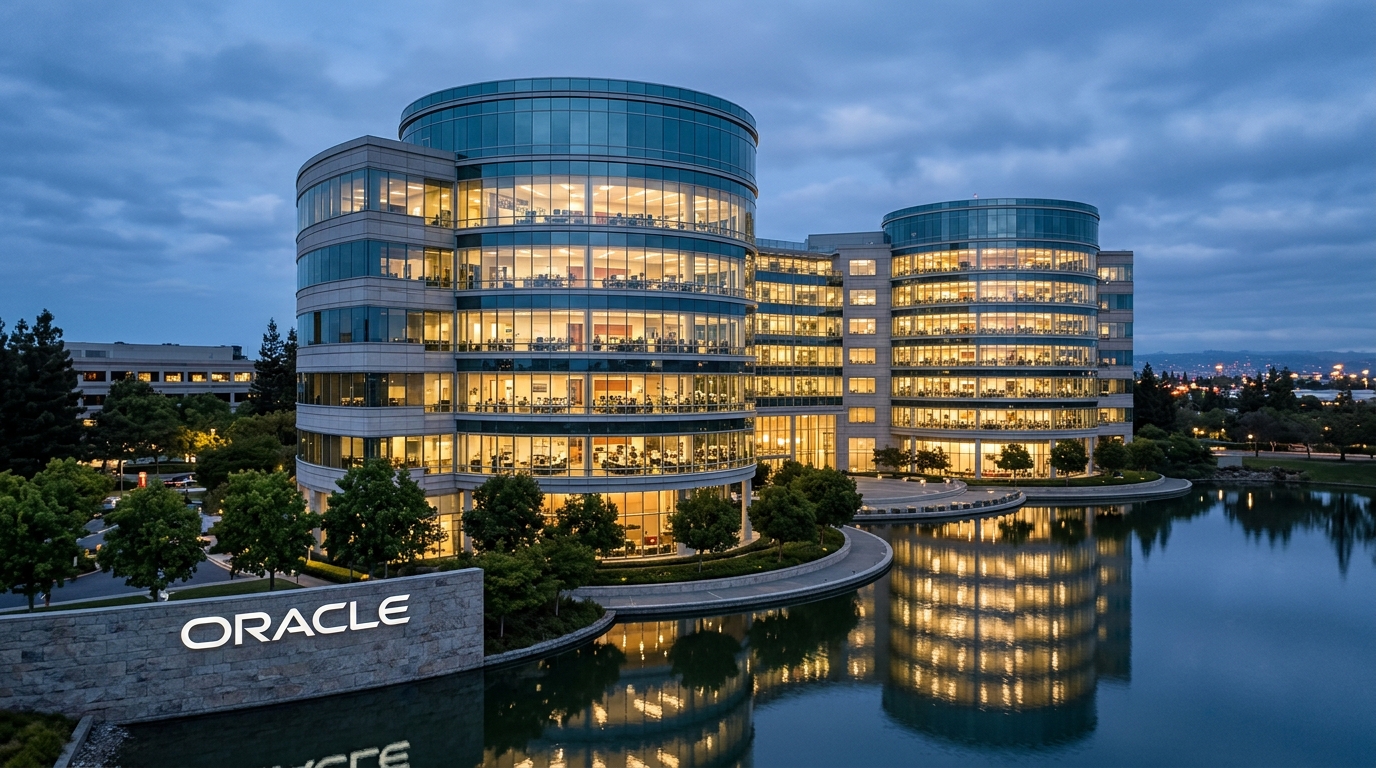
Oracle just reported the strongest quarter in its history, and the stock is still about 44% below where it started the year. That divergence is the entire investment thesis.
Why This Stock Now
On September 10, Oracle posted fiscal Q1 2027 results that beat on every line that matters. Revenue came in at $19.35 billion, up 30% year over year, against a consensus of $19.14 billion. Adjusted EPS hit $1.92, clearing the $1.74 estimate by a wide margin. Cloud infrastructure revenue didn’t just grow: it more than doubled, rising 121% to $7.4 billion. Operating cash flow reached a record $23 billion for the quarter.
The stock initially jumped more than 5% in after-hours trading. By the next afternoon, it had given those gains back and then some, closing lower than before the report. The explanation the market settled on was negative free cash flow, driven by a $28.5 billion capital expenditure quarter. That concern is real. It is also already well-known, and it ignores what that spending is building.
This pattern — Oracle beating estimates and then watching the stock sell off — is not new. an earlier breakdown of how Oracle’s record backlog made the prior selloff look mispriced traced the same dynamic after the fiscal Q4 report, when ORCL fell 10% on results that were, by most measures, the strongest in the company’s history. Understanding why the market keeps punishing the bill helps frame whether this latest dip is a pattern worth fading or a warning worth heeding.
The Business
Oracle has spent two decades as a database and enterprise software company. It is now competing directly with Amazon Web Services, Microsoft Azure, and Google Cloud for AI infrastructure workloads, and it is winning contracts the others cannot take. Customers including Anthropic, major financial institutions, and government agencies have chosen Oracle Cloud Infrastructure specifically because Oracle offers dedicated, single-tenant data center capacity that the hyperscalers structurally cannot replicate.
That structural differentiation has not stopped Oracle from finding common ground with its largest rival. the Oracle–AWS long-term strategic collaboration agreement and what it means for the backlog examines how the two companies formalized a partnership even as they compete for the same enterprise workloads — a development that adds a layer of complexity to any straightforward hyperscaler-versus-Oracle framing.
The result is a backlog that has no precedent in Oracle’s history. Remaining performance obligations reached $664 billion at the end of Q1, an increase of $26 billion from the prior quarter. Management guided that roughly 12% converts to revenue within the next twelve months. If that conversion rate holds, Oracle has already contracted more than $79 billion of future revenue before it books a single new order.
Why Wall Street Is Paying Attention
Forty-three analysts cover ORCL. The consensus rating is Buy, with an average price target near $239, implying roughly 70% upside from current levels around $140. After Q1, KeyBanc said it sees a materially stronger position for the company. Larry Ellison, who controls a substantial share of the stock, cancelled a previously announced plan to sell up to $7.5 billion of his position after the earnings beat, a signal the market did not miss.
Oracle raised its full-year FY2027 guidance to at least $90 billion in revenue, up 34% from fiscal 2026, with non-GAAP EPS of $8.10. For Q2, it guided revenue growth of 30% to 34%. Both figures came in above what the Street had modeled.
Trump Put $25M Here. Most Investors Missed It.
A little-known AI infrastructure fund has reportedly attracted Trump’s attention.
Now ordinary investors may have a way to learn about it for around $15.
What’s Driving the Opportunity
The capital expenditure surge, $28.5 billion in Q1 alone against $8.5 billion a year earlier, is entirely directed at data center capacity to service backlog. Oracle has said that the quarter’s capacity buildout was driven by bringing record levels of new megawatt capacity online. Revenue from cloud infrastructure more than doubled to $7.4 billion. Q2 is guided to sustain that trajectory.
The stock’s year-to-date decline reflects investor anxiety about cash burn at a moment when the backlog conversion math is becoming demonstrably more reliable. Net income rose 60% to $4.68 billion in Q1. Operating income grew 57%. The underlying business is compounding. The share price has not followed.
That anxiety had real institutional backing earlier in the year. how Michael Burry’s Oracle short paid out and what his exit timing revealed details how one of the market’s most prominent bears closed a position that returned roughly 51% on the downside — and why the timing of that exit may itself be a signal worth examining alongside the current valuation gap.
What Could Go Wrong
Free cash flow was negative $5.4 billion in Q1, and Oracle has taken on additional debt and issued equity to fund its buildout. That is a real constraint on capital return and a genuine credit risk if AI cloud demand softens before backlog converts to revenue. Backlog conversion is a lagging indicator: a $664 billion number looks powerful only if the customers behind it actually scale their workloads on Oracle’s infrastructure rather than renegotiating or delaying. Competition from the hyperscalers, each of which has a far larger installed base, is unrelenting.
The Bottom Line
Oracle’s Q1 was its best quarter on every meaningful metric. The stock closed the week lower. At roughly $140, with a $664 billion backlog, 30% revenue growth, and $90 billion in FY27 guidance, the gap between the company’s operating results and its share price has rarely been this wide. The capex concern is legitimate, but it is also the mechanism by which Oracle is converting a record backlog into recurring revenue. That is the bet here, and the numbers suggest the market has mispriced it.