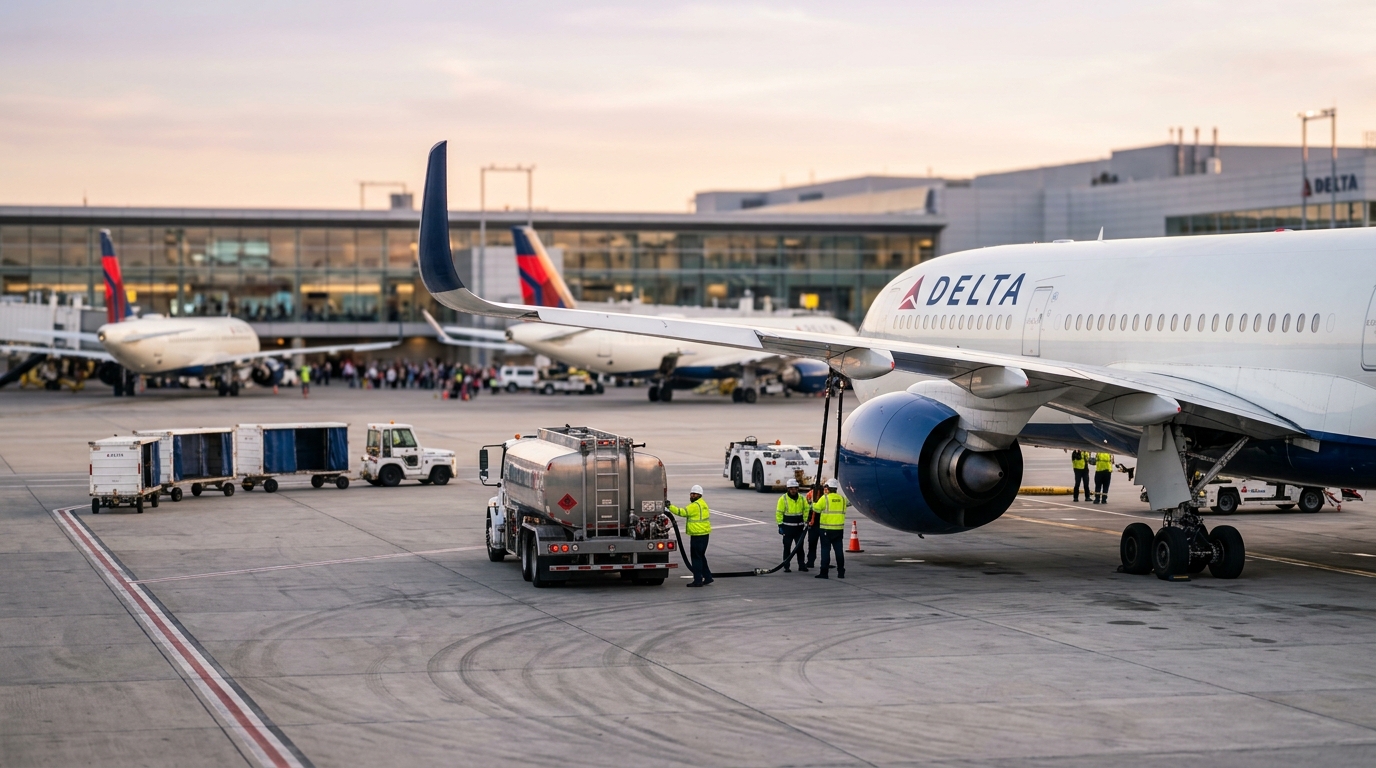
Earnings season is about to start in earnest. And the first real test of the consumer story lands Friday morning, before the open, when Delta Air Lines reports Q2 2026 results.
This one’s more complicated than it looks on the surface.
When Delta reported Q1 in April, premium ticket revenue was up 14% year over year and the company posted $2.4 billion in operating cash flow. Strong results. The stock surged more than 11% in premarket. But management also guided to a more than $2 billion fuel expense headwind in Q2, tied to a spike in jet fuel crack spreads that CEO Ed Bastian attributed to tensions tied to the Iran conflict and disruption risk around the Strait of Hormuz. That guidance crushed the near-term outlook.
Here’s what changed.
The Fuel Picture Shifted
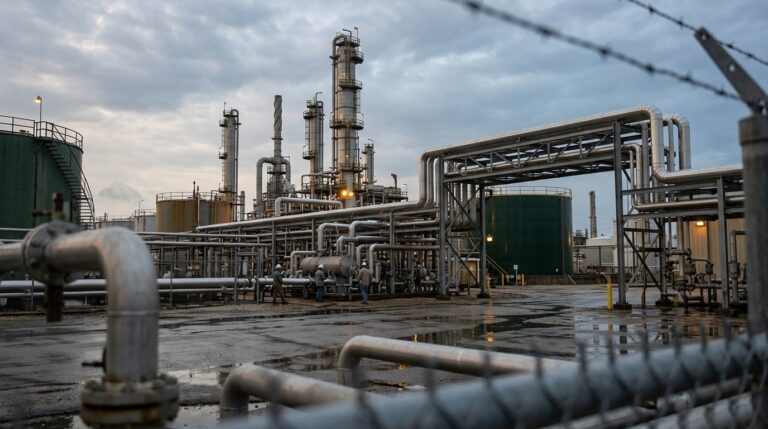
An interim peace deal between the United States and Iran resulted in a sharp fall in oil prices, directly benefiting Delta’s fuel cost line. On top of that, Delta’s ownership of the Trainer Refinery in Pennsylvania has generated a roughly $300 million windfall — a structural hedge that pure-play airlines simply don’t have.
Management guided for a Q2 pretax profit of around $1 billion back in April. The current consensus sits at $1.48 EPS on revenue of $18.78 billion — which would represent roughly 12.8% revenue growth year over year even as earnings fall 29.5% from the year-ago quarter’s $2.10.
The scissors effect: revenue growing, earnings compressing. That’s the fuel math at work.
The Numbers Wall Street Is Watching
- Consensus EPS: $1.48 (range: $1.25–$1.63 across 17 analysts)
- Consensus Revenue: $18.78B (range: $17.52B–$19.57B)
- Year-Ago EPS: $2.10 — a 29.5% YoY decline is priced in
- Operating Margin Target (mgmt. guide): 6–8%
- Fuel Hedge: ~$300M refinery benefit expected in Q2
- Non-Fuel CASM (est.): 14.25 cents vs. 13.49 cents in Q2 2025
- Full-Year 2026 EPS Consensus: $5.36 (down ~7.9% YoY)
DAL is up 31% year to date, hitting record highs going into this report. That changes the bar. A stock at a record needs to either beat and raise, or the multiple gets tested fast.
The Premium Travel Thesis
What’s interesting is that the structural story at Delta has nothing to do with fuel. The premiumization strategy is driving margin expansion, with premium revenue up 14% year over year and robust loyalty program growth. Amex card spend tied to Delta’s co-brand was up double digits in Q1, with remuneration from American Express topping $2 billion in a single quarter.
Delta built a revenue model where nearly two-thirds of total revenue comes from sources other than basic coach tickets. When fuel spikes, that insulation matters. Delta ran at record load factors through June, and the Fourth of July weekend historically produces some of the highest single-day passenger volumes in U.S. aviation. That backdrop matters for what Friday’s numbers will show.
DAL has surpassed the consensus EPS estimate in each of the trailing four quarters, with an average beat of 5.4%. Zacks explicitly models an earnings beat this time around.
Bull / Base / Bear
Bull: Revenue comes in above $19B, the refinery gain exceeds the $300M estimate, and management raises full-year guidance. The stock adds 6–8% post-earnings, consistent with its summer beat history. Premium demand commentary confirms pricing power held through peak season.
Base: Delta posts $1.48–$1.60 EPS in line or slightly above consensus. Revenue is strong. Full-year guidance holds at the midpoint. Fuel narrative moderates but doesn’t fully resolve. Stock trades flat to up 3%.
Bear: Non-fuel unit costs come in above the 14.25 cent estimate. Labor costs and capacity reductions compress margins below the 6% floor. Management guides Q3 conservatively, citing macro uncertainty and a fragile Iran ceasefire. The stock gives back some of its YTD gains.
Technical Overlay
DAL has been consolidating around the $92.73 support level heading into the report, with technical analysis pointing to a breakout target above $95.14 if earnings deliver. Large institutional positioning into this support zone has been visible ahead of Friday.
What Investors Should Watch
- RASM (Revenue per Available Seat Mile): Above $0.185 signals pricing power held through peak summer
- Full-Year 2026 Guidance: Any raise is the catalyst for a larger move
- Q3 Commentary: Forward booking trends for fall travel will define whether the fuel headwind is truly transitory
- Refinery Contribution: Did the $300M estimate hold, beat, or miss?
- Labor Costs: Whether cost pressures are eroding operating leverage is the key structural question
Delta reports Friday, July 10 before the open. The fuel story has shifted. The premium demand story is intact. Whether both show up in the same quarter — at the right margin — is what this report comes down to.
For informational purposes only.