By Lewis Krauskopf
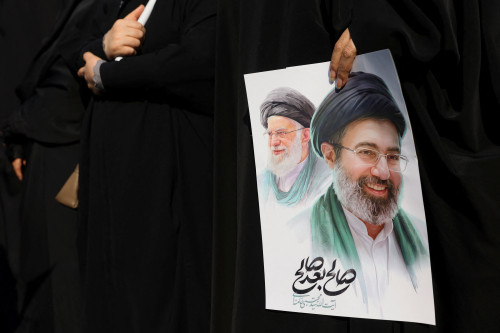
NEW YORK, March 13 (Reuters) – Investors will seek clarity in the coming week on how much the Middle East conflict is complicating expectations for interest-rate cuts this year, as they brace for developments in the Iran war that could rattle markets.
U.S. Federal Reserve policymakers meet for the first time since the U.S. and Israel began air strikes on Iran about two weeks ago, setting off a surge in oil prices that has reverberated across assets.
Fed members will grapple in their two-day meeting with questions about the energy shock’s impact on inflation and economic growth. The central bank will release economic projections on Wednesday. Markets are now pricing in tempered hopes for rate cuts in the wake of the conflict, even as expected cuts have been a key source of optimism for bullish stock investors this year.
“The Fed is going to be front and center, especially given the fact that we have seen the market push back… these rate cut expectations,” said Angelo Kourkafas, senior global investment strategist at Edward Jones.
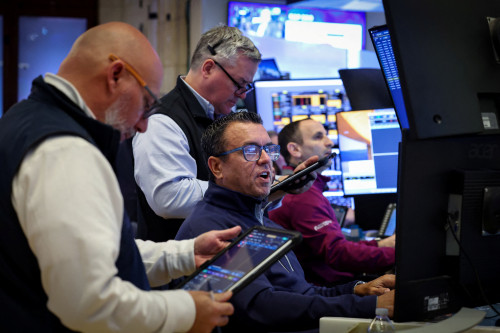
U.S. stock indexes have fallen and equity volatility has ratcheted higher since the Iran war began. Investors are fixated on the massive moves in oil prices, with U.S. crude soaring close to $120 a barrel to start the week, and last trading near the closely watched $100 level. Iran said the world should be ready for oil at $200 as its forces hit merchant ships during the week.
The benchmark S&P 500 as of Thursday was down over 4% from its record closing high from late January, on course for its third straight weekly decline.
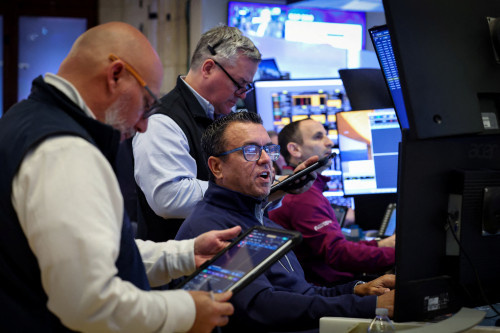
“We’re seeing wild swings in the market as traders are latching on to any hint of developments, positive or negative, on the Iran conflict,” said Sid Vaidya, chief investment strategist at TD Wealth.
FED ON HOLD FOR LONGER?
The Fed is widely expected to hold interest rates steady for a second straight meeting when it gives its policy statement on Wednesday. The central bank lowered rates last year to shore up a weakening labor market, but paused its easing cycle in January as it noted risks to employment and inflation had diminished.
Investors have been assuming more rate cuts are coming this year, which would be expected to support prices for stocks and other assets. Those expectations have been dialed back due to fears that the surge in energy prices will push up inflation.
“We believe this will just keep the Fed in a holding pattern for longer,” Vaidya said.
At the same time, a surprisingly weak jobs report for February could encourage the Fed to maintain a bias toward easing.
Fed fund futures on Thursday were pricing in about one standard quarter-percentage point cut by December, down from two such cuts as of late February before the war began, according to LSEG data.
FED PROJECTIONS, POWELL COMMENTS IN FOCUS
As part of its meeting, the Fed will release updated projections from policymakers on their future expectations for rates, as well as for inflation and the labor market. Fed Chair Jerome Powell’s press conference on Wednesday, following the central bank’s policy statement, also could shed light on how Fed members are viewing the impact of the conflict.
“I think it’s going to set the table for the year and how to look at inflation being induced by oil prices,” said Paul Nolte, senior wealth adviser and market strategist at Murphy & Sylvest Wealth Management.
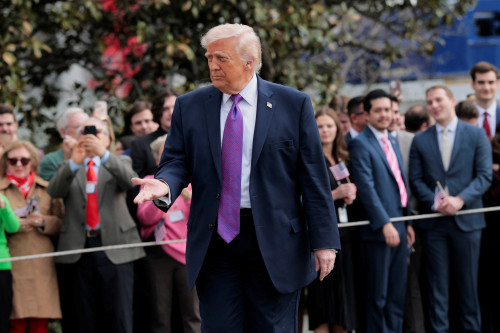
For Powell, it will be his second-to-last meeting before his term as chair expires in May. The next rate move may not come until President Donald Trump’s nominee for Fed chair, former Fed Governor Kevin Warsh, is expected to have taken over the helm of the central bank.
In the coming week, Nvidia’s annual developer conference also could bring renewed focus to the artificial-intelligence trade, which sparked volatility for technology and other shares earlier in the year.
But investors expect Iran-related news will remain prominent.
“Headlines continue to drive market movements as investors wait for greater clarity on the timing of a U.S. exit strategy,” Adam Turnquist, chief technical strategist for LPL Financial, said in a written commentary on Thursday.
(Reporting by Lewis Krauskopf; Editing by David Gregorio)